Available from PepTek
An overview of TB-500 research protocol experimental setup, covering in vitro concentrations, animal model methodologies, and key variables observed in published peer-reviewed studies.
TB-500, the synthetic analogue of the endogenous peptide Thymosin Beta-4 (Tβ4), has become an important subject of laboratory investigation due to its well-characterized role in actin sequestration, cytoskeletal dynamics, and cellular migration. Researchers designing a TB-500 research protocol experimental setup must navigate a range of methodological considerations, including reconstitution procedures, working concentrations, cell line selection, and appropriate controls. This overview summarizes the experimental frameworks most commonly reported in peer-reviewed literature, with the goal of supporting rigorous, reproducible in vitro and in vivo preclinical research.
For a foundational understanding of TB-500’s molecular identity and mechanistic profile, researchers may also consult the detailed article on TB-500 (Thymosin Beta-4): Research Profile and Cellular Mechanisms, which provides background on actin-binding domains and signaling pathways relevant to protocol design.
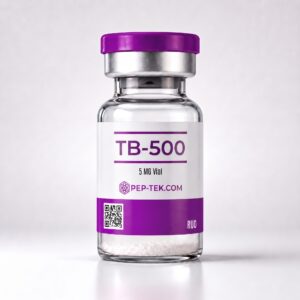
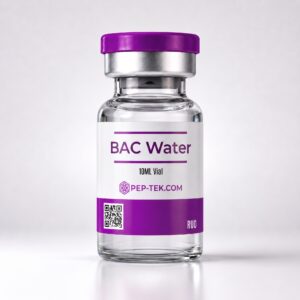
In published research, lyophilized TB-500 is typically reconstituted in sterile phosphate-buffered saline (PBS) or bacteriostatic water to produce a concentrated stock solution, most commonly in the range of 1–5 mg/mL. Researchers have noted the importance of gentle agitation rather than vortexing to preserve peptide integrity. Stock solutions are generally stored at −20°C and working aliquots prepared fresh prior to each experimental run to minimize freeze-thaw degradation cycles.
Working concentrations reported across in vitro studies vary considerably depending on the cell type and endpoint being assessed. In migration and wound-healing scratch assays, researchers have utilized concentrations ranging from approximately 10 ng/mL to 500 ng/mL [Sosne et al., 2002]. Higher concentrations in the range of 1–10 µg/mL have been employed in studies examining cytoskeletal reorganization and actin filament dynamics. Vehicle control wells receiving equivalent volumes of diluent are standard in well-designed TB-500 research protocol experimental setups to isolate peptide-specific effects from solvent artifacts.
The cell lines most frequently selected for TB-500 research reflect its proposed roles in epithelial repair and endothelial biology. Corneal epithelial cell lines (e.g., human corneal epithelial cells, HCECs) have been extensively used in studies of ocular surface repair [Sosne et al., 2007]. Endothelial cell lines such as human umbilical vein endothelial cells (HUVECs) have been employed to evaluate angiogenic sprouting and tube formation assays. Cardiac fibroblasts and cardiomyocyte-derived cell lines appear in studies investigating myocardial cytoprotective mechanisms.
One of the most commonly reported in vitro methodologies in a TB-500 research protocol experimental setup is the scratch assay. Cells are grown to confluency in multi-well plates, a uniform scratch is introduced with a sterile pipette tip, and cells are imaged at defined time intervals (typically 0, 12, and 24 hours) under phase-contrast microscopy. The percentage of wound closure is calculated relative to baseline. TB-500-treated wells have been observed to demonstrate accelerated closure rates in multiple published studies, with researchers noting concentration-dependent responses in epithelial models [Sosne et al., 2002].
Boyden chamber (Transwell) assays are also employed, particularly when directionality of migration is a variable of interest. TB-500 is introduced either to the upper chamber (with cells) or used as a chemoattractant in the lower chamber. Matrigel-coated inserts are used when invasion through a basement membrane analog is the endpoint. Cell counting is performed after staining with crystal violet at 24–48 hours post-seeding.
Given that Thymosin Beta-4 is one of the principal G-actin sequestering peptides in mammalian cells, researchers have employed G-actin/F-actin ratio assays using commercially available ultracentrifugation-based kits. Fluorescence-based assays using pyrene-labeled actin have also been reported for measuring the kinetics of actin polymerization in the presence of varying TB-500 concentrations [Safer et al., 1991].
The majority of published in vivo TB-500 research has been conducted in murine (mouse and rat) models. Researchers have investigated subcutaneous and intraperitoneal routes of administration in animal subjects, with systemic peptide delivery allowing assessment of remote tissue effects. Typical study durations in published literature range from 7 to 28 days, with endpoint assessments including histological analysis, immunofluorescence staining, and molecular marker quantification via Western blot and RT-PCR.
Myocardial infarction models, typically induced by ligation of the left anterior descending (LAD) coronary artery in rodents, represent a key in vivo platform. Researchers have evaluated outcomes including infarct size (measured by TTC staining), cardiac function via echocardiography, and molecular markers of apoptosis (e.g., caspase-3, Bcl-2 family proteins) and fibrosis (e.g., TGF-β, collagen I/III). TB-500 has been observed to influence these pathways in published rodent studies [Bock-Marquette et al., 2004].
Excisional wound models in mice, using standardized 6 mm or 8 mm biopsy punch wounds on the dorsal skin surface, are used to assess dermal repair endpoints. Wound closure rate, re-epithelialization, angiogenesis density (CD31+ staining), and collagen deposition (Masson’s trichrome) are commonly measured histological endpoints. This approach parallels methodologies used in research on related tissue-signaling peptides such as those described in the GHK-Cu: Copper Peptide Research Profile and Signaling Pathways article, which covers overlapping wound-repair biological frameworks.
Western blot analysis for focal adhesion kinase (FAK), AKT phosphorylation, and MMP expression are standard molecular endpoints in published TB-500 studies. Immunofluorescence microscopy using phalloidin staining for F-actin visualization allows qualitative and quantitative assessment of cytoskeletal remodeling. Flow cytometry has been applied to assess apoptotic rates in treated versus untreated cell populations under stress conditions [Bock-Marquette et al., 2004].
Researchers interested in comparative peptide behavior across mechanistically distinct compounds may find value in reviewing the methodology sections of articles such as BPC-157 Peptide: Research Profile and Mechanism of Action, which covers overlapping in vitro assay methodologies relevant to tissue-signaling peptide research design.
Statistical approaches commonly reported in TB-500 experimental literature include one-way ANOVA with Tukey’s post-hoc test for multi-group comparisons, Student’s t-test for two-group comparisons, and nonparametric equivalents (Mann-Whitney U, Kruskal-Wallis) when normality assumptions cannot be confirmed. Researchers are encouraged to pre-register sample sizes based on power calculations using pilot data, with a minimum n=3 biological replicates (distinct from technical replicates) per condition. Effect sizes and confidence intervals are increasingly reported alongside p-values in contemporary peptide research publications [Sosne et al., 2007].
In the broader context of research peptide methodology, well-controlled TB-500 research protocol experimental setups share design principles with other signaling peptide investigations. For instance, the molecular endpoint and cellular redox considerations discussed in the Glutathione: Tripeptide Antioxidant Research and Redox Signaling overview highlight how oxidative stress controls are often incorporated into peptide biology experiments as confounders requiring active management.
The methodological frameworks outlined in this article reflect experimental approaches observed in peer-reviewed, preclinical publications involving TB-500 and its parent compound Thymosin Beta-4. All information presented is intended strictly to support laboratory research design and to aid scientists in understanding how published studies have been structured. A structured TB-500 research protocol experimental setup demands rigorous controls, validated reagents, and reproducible conditions as outlined above.
Research Use Disclaimer: TB-500 is a research compound intended exclusively for in vitro and preclinical animal model research conducted by qualified scientists in appropriately licensed laboratory settings. This article does not constitute medical advice, and TB-500 is not approved for human or animal consumption, therapeutic use, or clinical application. No information herein should be interpreted as dosing guidance, health benefit claims, or endorsement of any non-research use. Researchers must comply with all applicable institutional, national, and international regulations governing the use of research peptides.